9 hr
Montserrat Mountain, Monastery & Wine Estate Experience
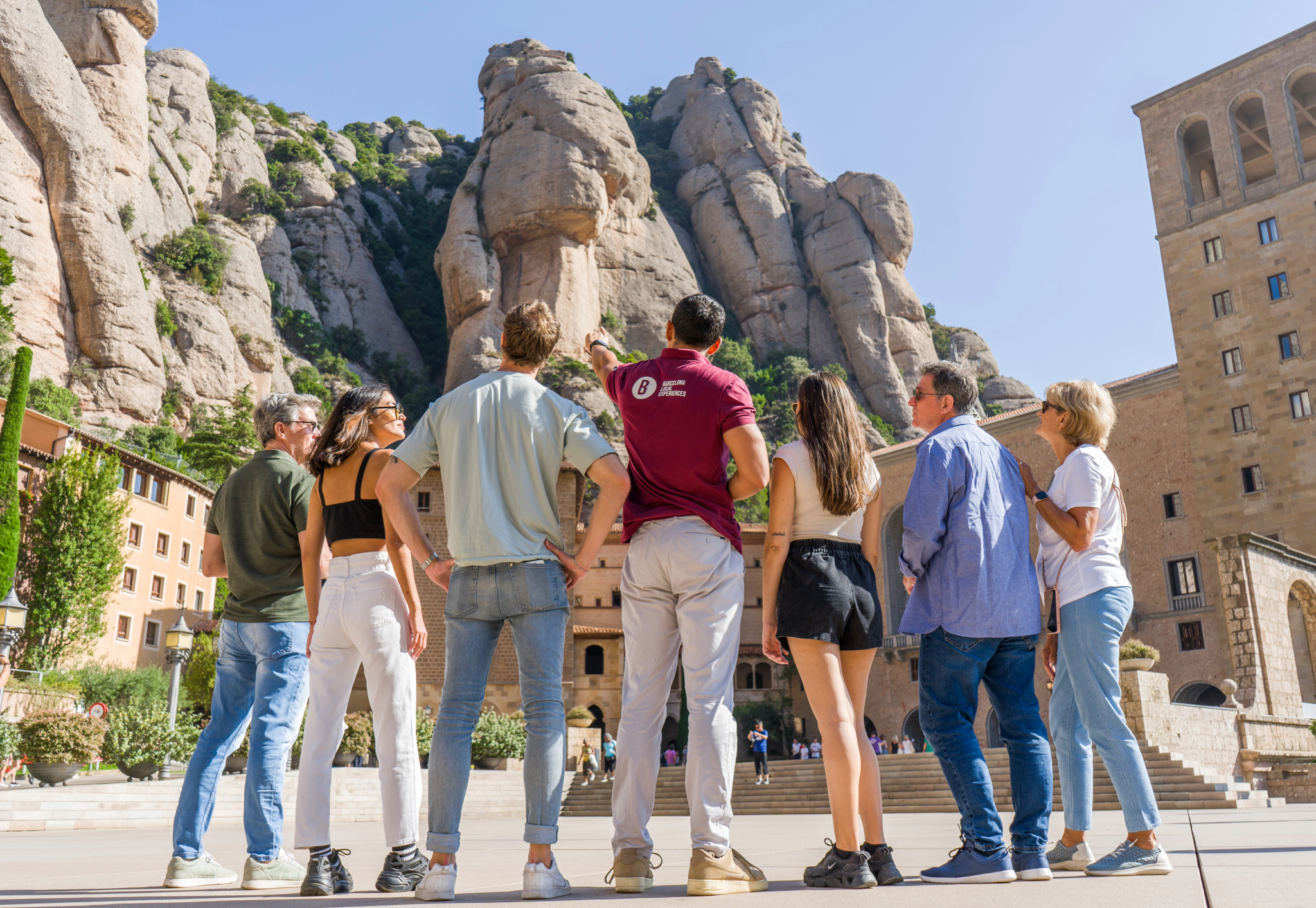
- Expert local guide
- Small group
- Skip-the-line access
- Free cancellation
Montserrat Wine Tasting Tour — Mountain Monastery & Penedès Cellars
Sacred peaks meet ancient vines, terroir shaped by Benedictine hands
Compare fares, pick the fit — all bookings are mobile-voucher and eligible for free cancellation where shown.
9 hr
7 hr
7 hr
Choosing the right montserrat wine tasting tour depends on how much time you wish to spend at the monastery versus the surrounding Penedès vineyards. These organized excursions combine sacred Montserrat landmarks with regional cellar visits and local gastronomy.
| Small Group Tour Full-day with winery lunch |
Top pick Private Premium Tour Luxury van with custom itinerary |
|
|---|---|---|
| Duration | 7–9 hours | 8 hours |
| Inclusions | Guided monastery visit, winery tour, lunch, 3 tastings | Private transport, custom pace, winery tour, lunch, tastings |
| Transport | Air-conditioned coach from Barcelona | Private chauffeur-driven van from accommodation |
| Access Method | Group entry to monastery and cellars | Private access with skip-the-line benefits |
| Best for | First-timers seeking social, value-driven excursions | Travelers wanting flexibility and personalized attention |
| See tickets & prices |
Verdict: For the best balance of structure and social interaction, first-time visitors should book the small group montserrat wine tasting tour tours to see the sanctuary and explore regional cellars.
Worth it for wine lovers and group travelers
A montserrat wine tasting tour delivers measurably better value than independent travel when you factor in logistics and experience depth. Independent visitors pay around €30–40 per person for round-trip train fare from Barcelona plus the €8 basilica entry, then face separate winery booking and transport—most Penedès estates require advance reservation and lie 20–30 minutes from the monastery by car. All-inclusive wine tours bundle Barcelona pickup, monastery access, guided basilica interpretation, a curated winery visit with multi-course tasting, and return transport for €60–85 per person. You gain expert commentary on Montserrat's geology and monastic history, pre-arranged cellar access at family-run estates, and tapas pairings that independent visitors rarely secure without fluent Spanish. The value peaks for groups of two to four: split-cost car rental plus winery fees approaches tour pricing without the educational layer. Solo travelers and wine enthusiasts avoiding generic group schedules see the clearest return; those prioritizing quiet monastery time over vineyard immersion may prefer the cogwheel train and self-guided exploration.
Bottom line: Montserrat wine tasting tours justify the premium when transport convenience, winery access, and guided interpretation outweigh the freedom of independent timing.
They complement each other; most visitors who do both call the combined montserrat wine tasting tour the more complete experience for a full day out.
|
Top pick Montserrat Wine Tour |
Independent Monastery Visit | |
|---|---|---|
| Focus | Mountain nature and winery | Spiritual and cultural history |
| Transport | Guided bus / van | Train and rack railway |
| Duration | 7–10 hours | 4–8 hours |
| Average Price | From 74 EUR (summer) | 8 EUR (basic access) |
| Intensity | Low (relaxed) | Moderate (walking/hiking) |
| Who it suits | Food and wine lovers | Pilgrims and history buffs |
| See tickets & prices |
Verdict: If you prioritize a seamless, stress-free day of Catalan culture, book the montserrat wine tasting tour, but choose independent tickets if you prefer flexible hours for hiking and meditation.
Hand-picked experiences loved by thousands of travelers
9 hours
Free Cancellation
Journey to Catalunya's sacred mountain, explore a historic monastery, and taste premium wines at a castle winery
5–9 hours
Free Cancellation
Customize your mountain escape with monastery tours, cogwheel trains, and wine tastings at your pace
10 hours
Free Cancellation
Explore a mountain monastery and taste sparkling wines at a historic family winery on this full-day adventure
9 hours
Free Cancellation
Journey to Catalonia's sacred mountain by cogwheel train, then savor wines at a castle winery
10.5 hours
Free Cancellation
Discover sacred mountain trails and organic vineyards on this full-day escape from Barcelona
5.5 hours
Free Cancellation
Journey to Catalonia's sacred mountain shrine with early entry, guided exploration, and stunning panoramic views
7 - 11 hours
Free Cancellation
Explore the sacred mountain monastery, then pick your perfect pairing: coastal Sitges, olive farm feast, winery visit, or medieval Girona
7 hours
Free Cancellation
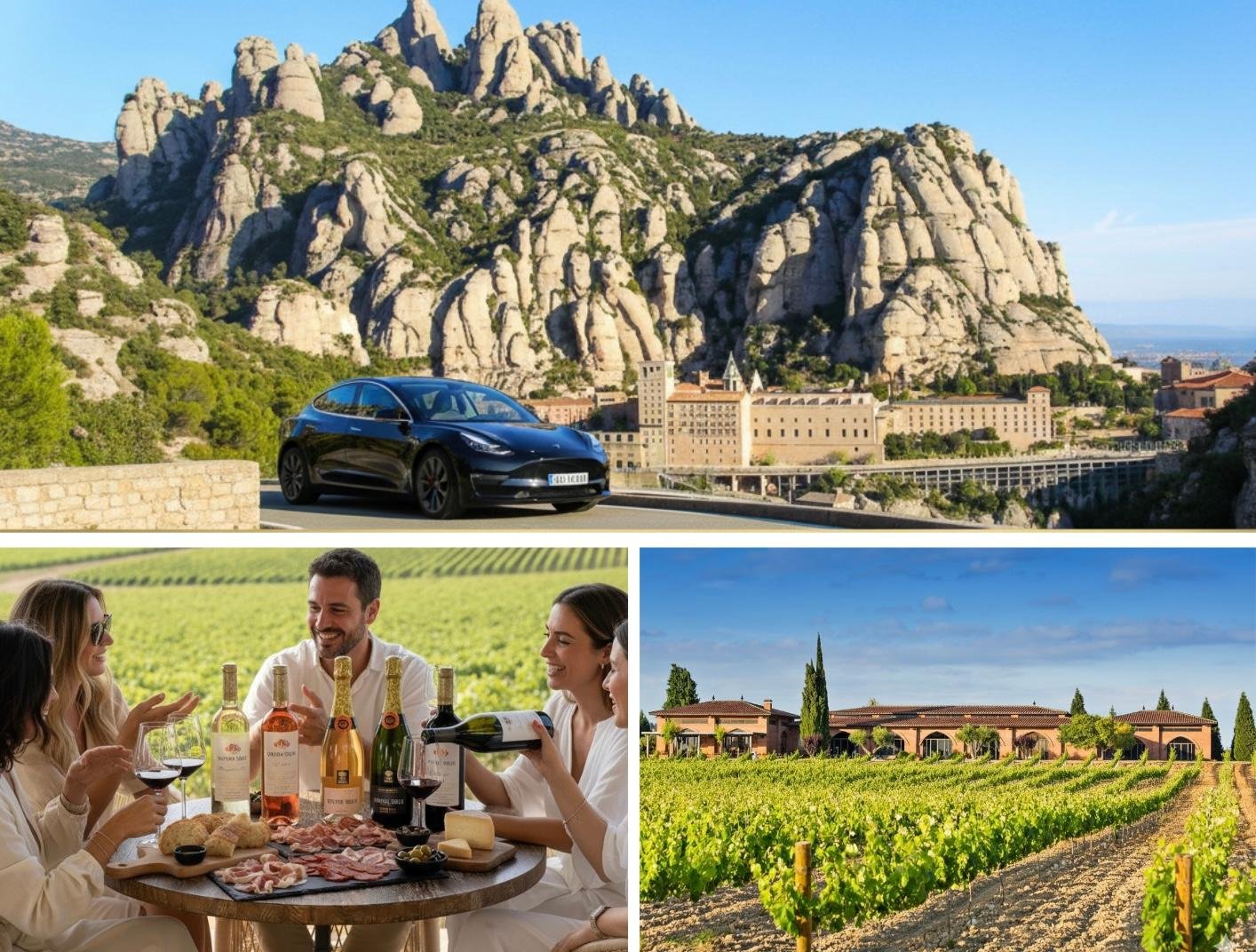
Discover Catalonia's sacred mountain and savor wines at a family vineyard in a Tesla Model 3
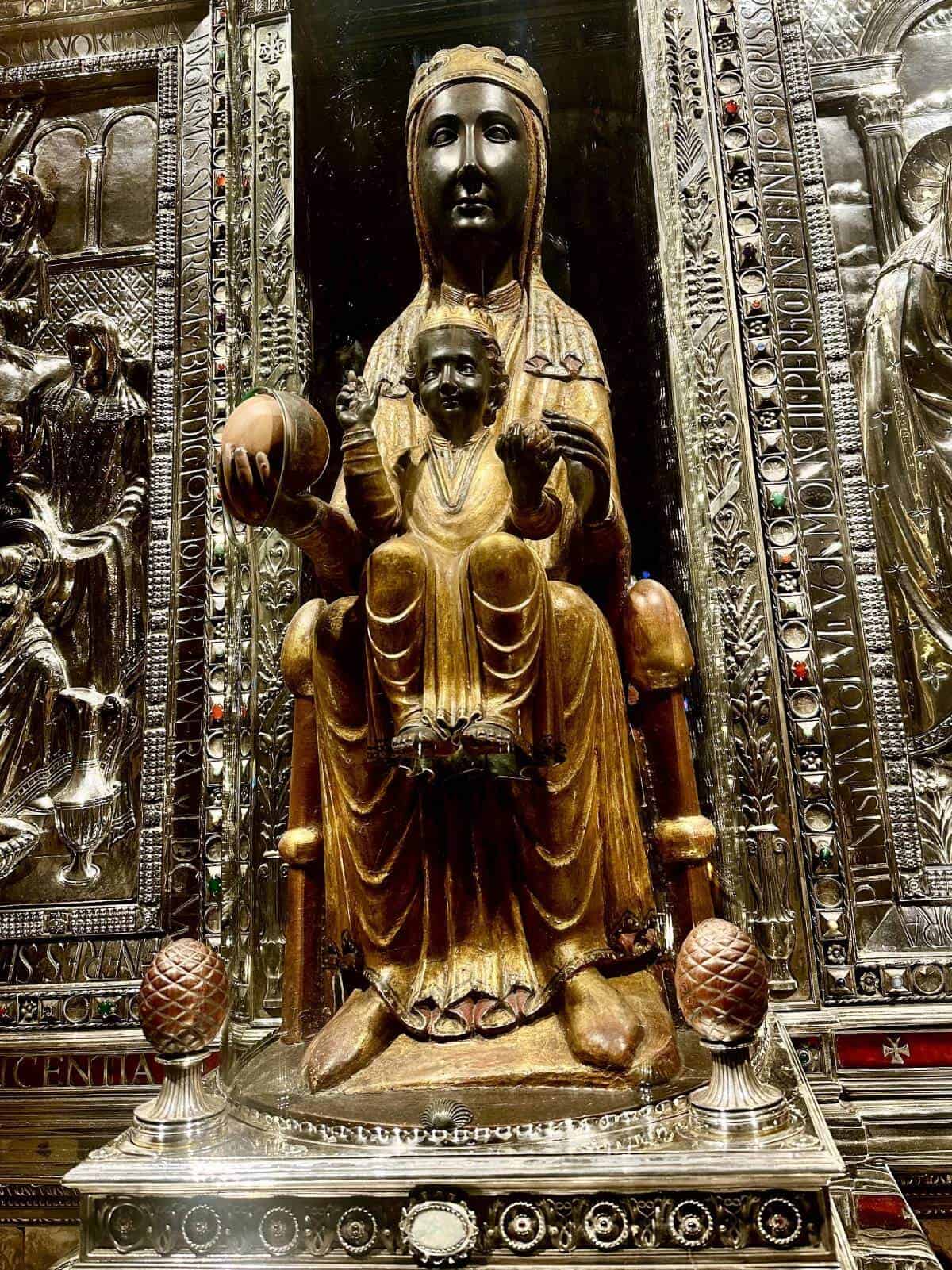
This architectural landmark serves as the spiritual heart of the complex, housing the renowned Black Madonna statue.
The revered 12th-century wooden statue is the primary focus of pilgrimage; access is separate from general basilica entry.
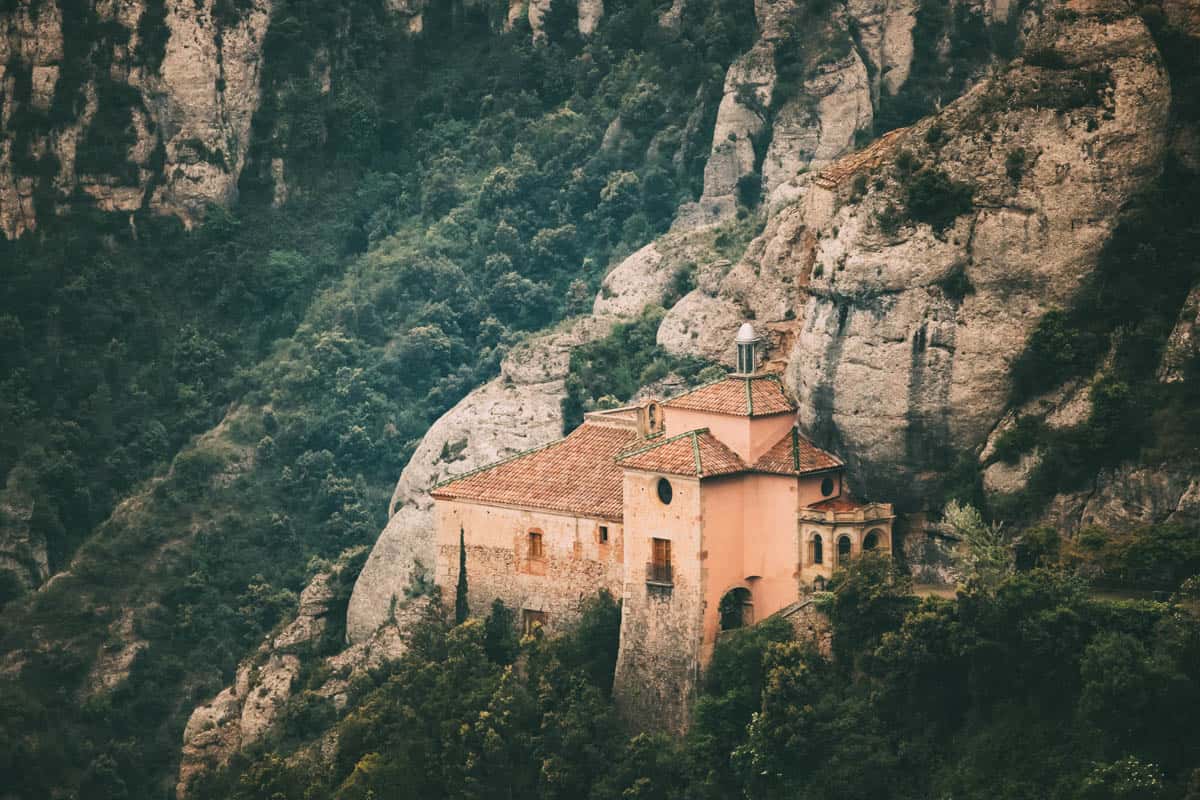
A historic chapel built into the mountainside where the Black Madonna was reportedly discovered.
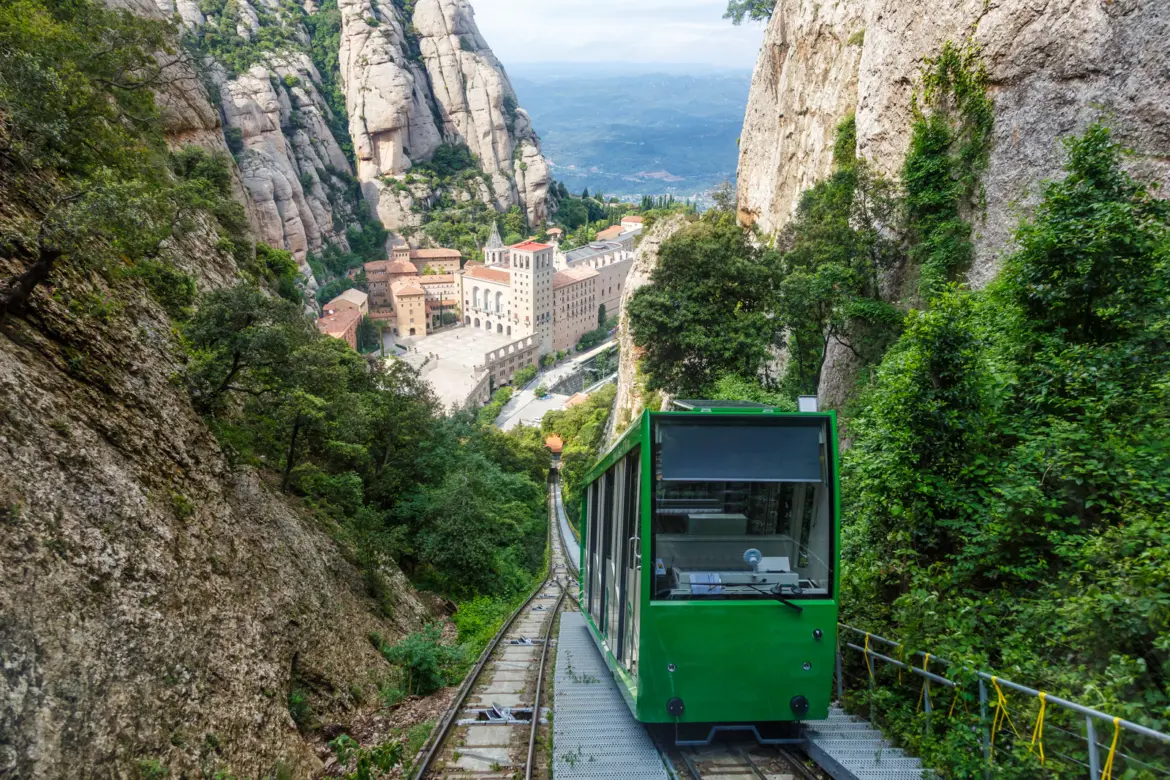
This funicular provides rapid ascent to the mountain peaks, offering panoramic views of the Catalan countryside.
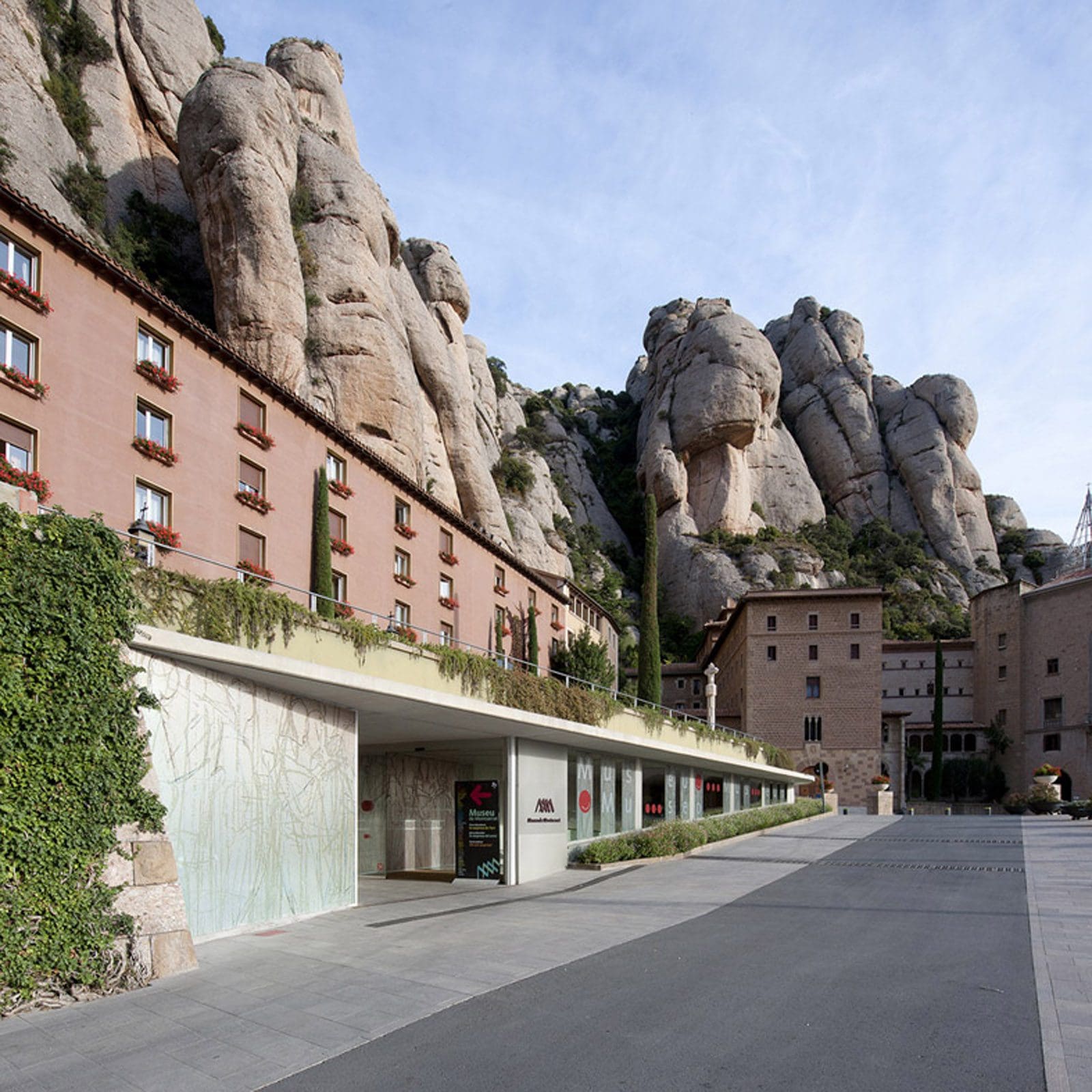
Home to an extensive art collection including works by El Greco, Picasso, and Dalí, as well as ancient archaeological artifacts.
You board the cremallera at Monistrol de Montserrat station at 07:00, the rack railway's cogwheel mechanism gripping steep tracks as the train climbs through pine forests toward the monastery complex.
Twenty minutes later, you step onto the esplanade, the Basilica of Santa Maria de Montserrat rising before you, its façade framed by sawtooth peaks. Entry costs €8 for basilica access; you join the queue to venerate the Black Madonna, her darkened wood gleaming behind protective glass as pilgrims press close to touch her sphere.
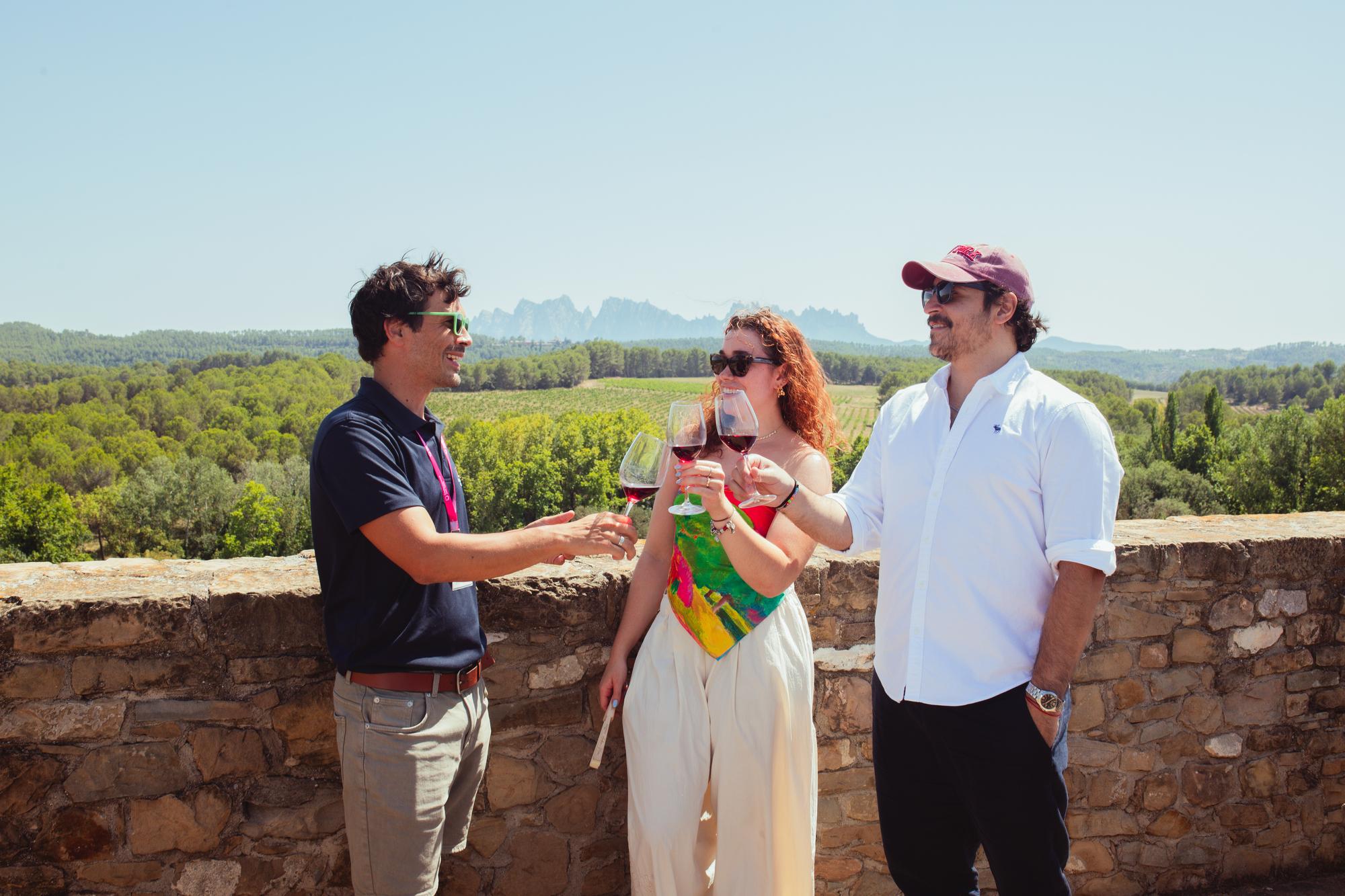
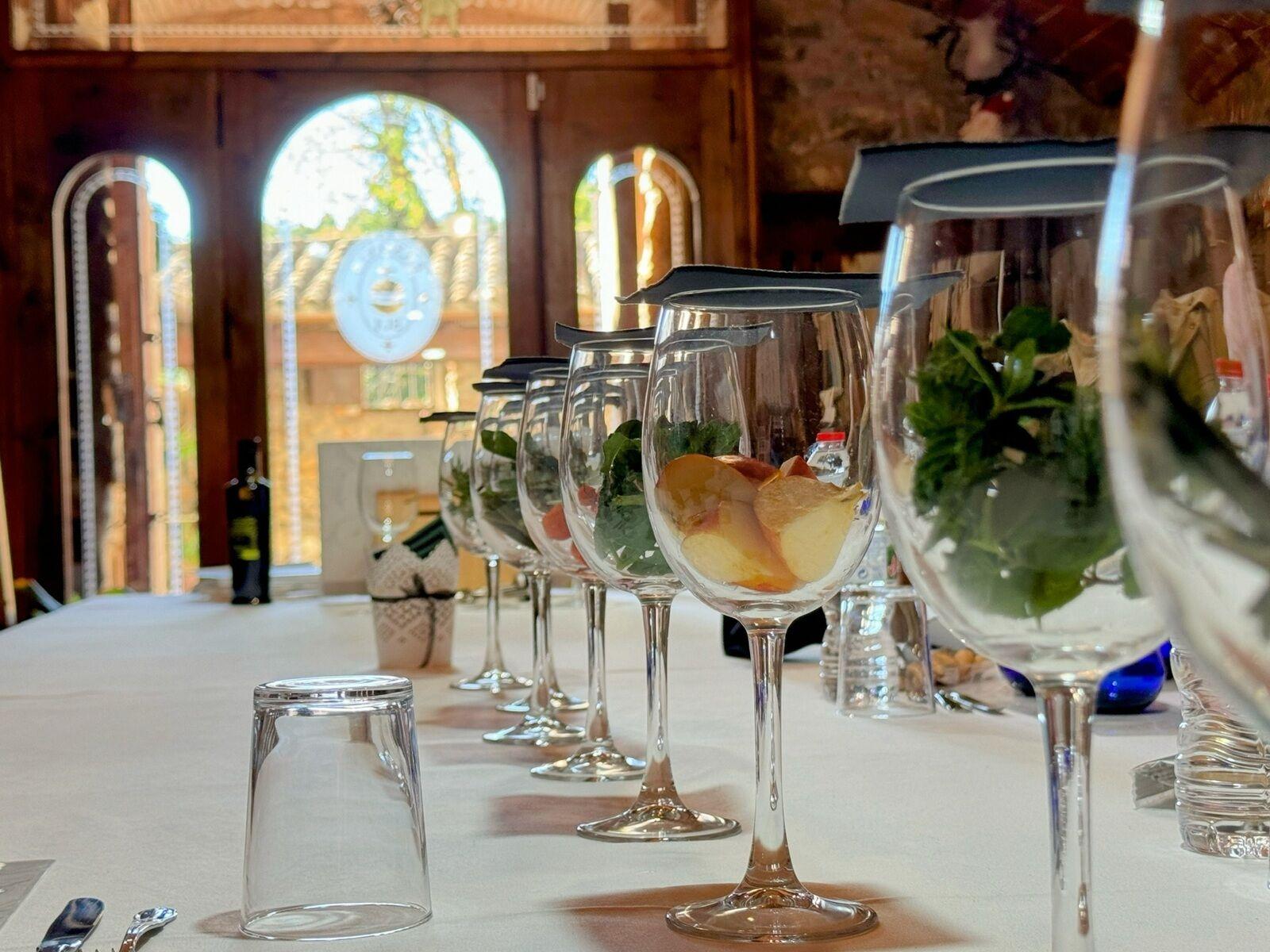
By mid-morning, your guide leads you down the mountain road to a Penedès estate, where barrel-lined cellars tunnel beneath terraced vineyards. The winemaker uncorks a Xarel·lo, its minerality reflecting limestone subsoils, then pours a Cava reserva—golden bubbles rising from eighteen months on lees. You taste six expressions, each glass accompanied by thin slices of Manchego and toasted almonds. Between sips, you walk rows of Macabeo vines, their leaves bronzing in autumn light, clusters of white grapes hanging heavy before harvest. The tasting concludes with a Garnacha-Tempranillo blend aged in French oak, its tannins softened by the mountain's cool nights.
All the details about your upcoming adventure in one place
The Benedictine monks of Santa Maria de Montserrat have cultivated vines on these serrated limestone slopes since the eleventh century, when Abbot Oliba first planted rootstock in terraced plots below the basilica.
By 1493, the monastery controlled seventeen vineyard estates across the Penedès basin, producing sacramental wines that reached papal tables in Rome. The viticultural tradition survived Napoleon's 1811 sack of the abbey, Franco's suppression of Catalan identity, and phylloxera's devastation of European vines in the 1870s.
Today, the mountain's microclimate—maritime fog rolling inland from Barcelona, alpine nights at 725 metres elevation, and calcareous soils deposited by ancient Eocene seas—defines the character of indigenous varietals like Xarel·lo, Macabeo, and Parellada. These grapes form the backbone of Cava production in cooperative cellars radiating from Montserrat's base, where traditional método champenoise techniques require minimum nine-month aging in underground galleries. The DO Penedès appellation, established in 1960, now encompasses 27,000 hectares of vines, but the monastery's original parcels remain distinct for their altitude and aspect.
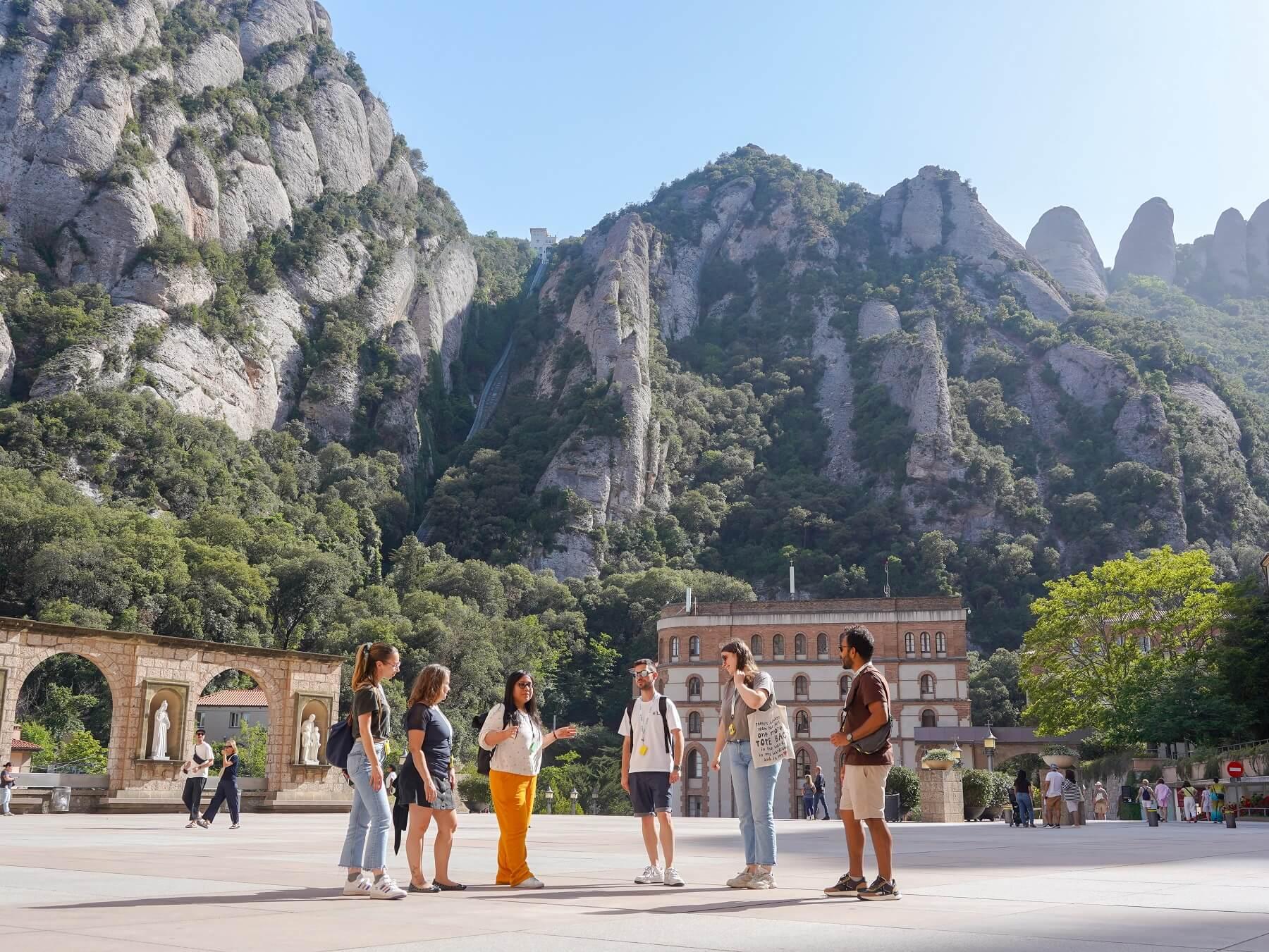
A Montserrat wine tasting tour connects sacred architecture with viticultural heritage. The basilica itself houses Lluís Milà's sixteenth-century retable, polychrome carvings depicting the Assumption, and the twelfth-century Black Madonna—La Moreneta—venerated by pilgrims who ascend via the cremallera rack railway from Monistrol de Montserrat. Beyond the sanctuary, the mountain's conglomerate rock formations—rounded pebbles cemented into columns by millennia of compression—create natural amphitheaters where wild rosemary and thyme scent the air. Vineyards cascade down southern exposures, their pergola-trained vines shading fruit from excessive sun while maximizing photosynthesis in shorter growing seasons.
Winery visits in the Penedès valley below reveal family-run bodegas where third-generation enologists blend tradition with precision viticulture. Tasting rooms occupy nineteenth-century masías—stone farmhouses with barrel-vaulted ceilings and hand-painted ceramic tiles. Montserrat wine tasting tours typically include three to five varietals, from crisp young whites with citrus notes to oak-aged reserves showing tertiary complexity, paired with regional cheeses, Ibérico ham, and pa amb tomàquet. The 08199 postal code marks not just a monastery address but an ecosystem where geology, monasticism, and terroir converge.
The Benedictines planted rootstock below the basilica in the eleventh century, producing sacramental wines that reached papal tables in Rome.
Visitors to the Basilica should dress modestly, covering shoulders and knees out of respect for this sacred place.
Security checks may be in place at the basilica entrance; refrain from bringing large backpacks or bulky luggage for a smoother montserrat wine tasting tour.
Photography is permitted in outdoor areas and the Montserrat mountain landscape, but follow posted signage inside the basilica regarding the Black Madonna.
The mountain offers family-friendly hiking trails and open-air spaces perfect for children, making it a great addition to your montserrat wine tasting tour itinerary.
The Montserrat complex is largely accessible via ramps and funiculars, though some historical paths involve uneven terrain unsuitable for standard wheelchairs.
Picnics are permitted in designated outdoor areas; however, do not consume food or drinks inside the sacred spaces of the abbey.
Opening hours
07:00–20:00
Address
Santa Maria de Montserrat Abbey, 08199 Montserrat, Barcelona, Spain
Accessibility
Accessible via rack railway or cable car
Best arrival window
07:00–09:30
Storage
Limited luggage facilities available
Official site
https://www.montserratvisita.com
Cancellations are subject to operator-specific terms, typically requiring 24-48 hours notice for a full refund. Please review the booking platform terms for your montserrat wine tasting tour.
Recommended time
Full day
A typical montserrat wine tasting tour requires a full day to combine spiritual sanctuary exploration with regional viticulture. Visitors booking montserrat wine tasting tour tours should allocate three hours for the mountain site before heading to local Penedès cellars for afternoon pairings. Securing montserrat wine tasting tour tickets in advance ensures seamless transit between the sanctuary and vineyard estates.
Crowd levels through the day
The Benedictine monks who arrived at Montserrat in 1025 planted the first vineyards on the mountain's steep terraced slopes within decades of founding their abbey. By the thirteenth century the community was producing wine for the Eucharist and trading surplus bottles with merchants in Barcelona. The phylloxera epidemic that swept Catalonia in the 1880s destroyed most of the original vines, forcing the monastery to abandon commercial viticulture for nearly a century. Only small plots for sacramental use survived. Reconstruction began in 1974 when a small cooperative of local farmers petitioned the abbey to revive the historic cellars beneath the basilica. The monks granted access to abandoned stone vaults that had stored wine casks since the Renaissance. By 1982 the cooperative was bottling red wines from Garnacha and Syrah grapes grown on the mountain's southeastern face, where the slate soil and altitude produced concentrated fruit. The Montserrat wine tasting tour became a formal visitor offering in 1996, linking the monastery's spiritual heritage to its agricultural past. Today the tasting experience occupies the restored medieval cellars, where arched stone ceilings and original pressing equipment frame guided sessions. Visitors sample wines produced from estate vineyards at elevations between 400 and 700 meters, where the rocky terrain limits yields but intensifies flavor. The tours also feature olive oils and artisan cheeses crafted by nearby producers who supply the monastic community. This integration of devotional and agricultural traditions reflects Montserrat's unbroken commitment to self-sufficiency, a principle the Benedictines have maintained for a millennium. The montserrat wine tasting tour tickets grant access to both the historic cellars and a terrace overlooking the Llobregat valley, where monks first cleared land for cultivation in the eleventh century.
Benedictine monks establish Santa Maria de Montserrat Abbey and begin cultivating terraced vineyards.
Monastic wine production expands to supply Barcelona markets and regional trade routes.
Phylloxera plague devastates Montserrat vineyards, halting commercial viticulture for decades.
Local cooperative petitions abbey to restore abandoned wine cellars beneath the basilica.
First post-phylloxera vintage bottled from estate Garnacha and Syrah grapes.
Montserrat wine tasting tour launches as formal visitor program in medieval stone vaults.
Estate vineyards expand to high-elevation plots, emphasizing organic viticulture and low-intervention winemaking.
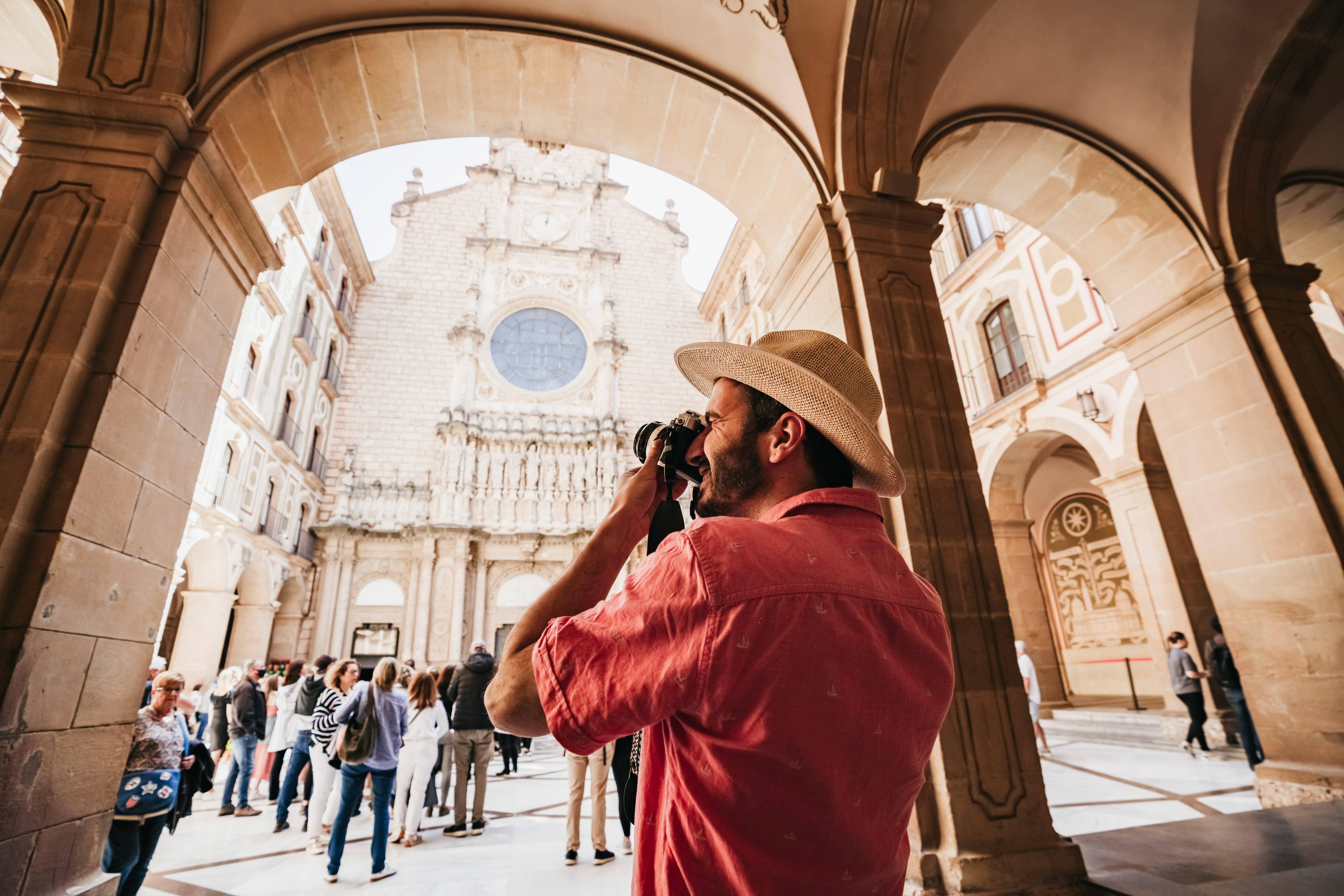
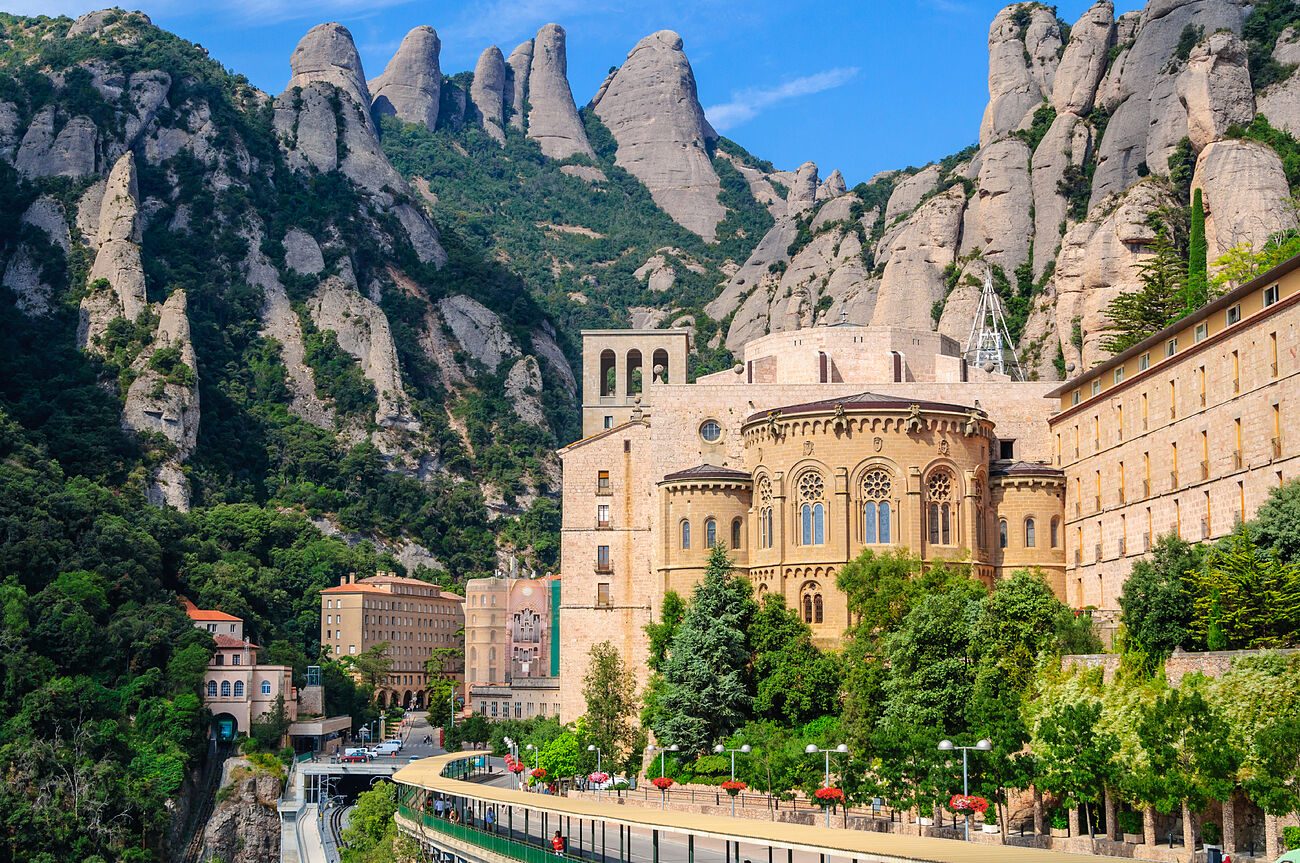
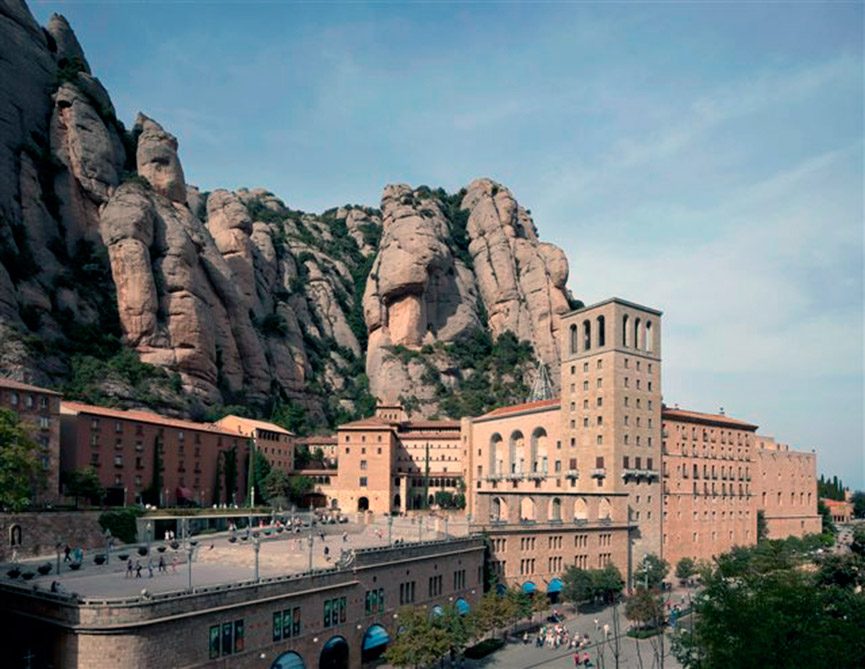
Capture the intricate facade of the basilica framed by the jagged rock formations of the mountain. Stand near the center of the courtyard to capture the verticality of the architecture against the sky.
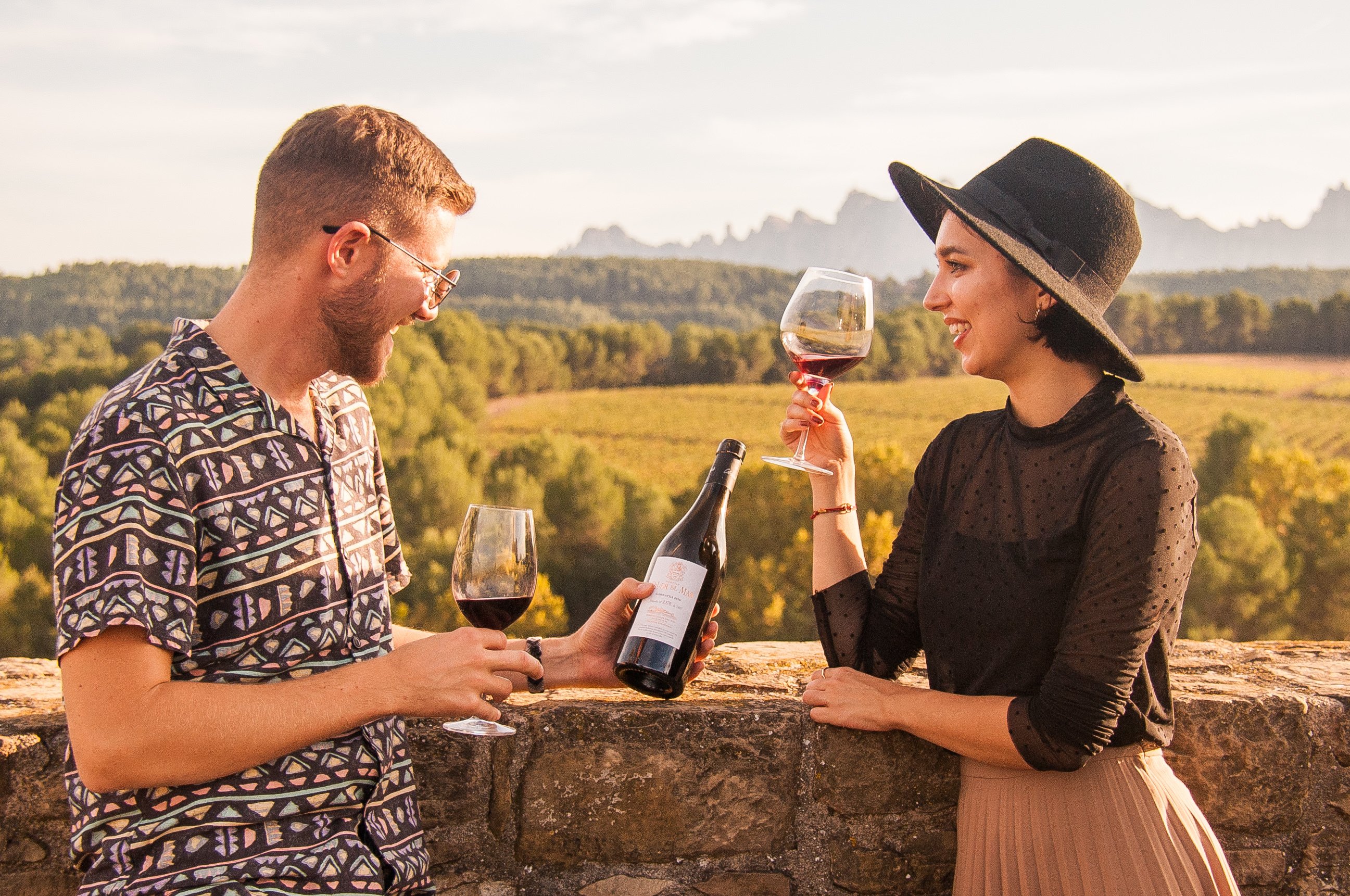
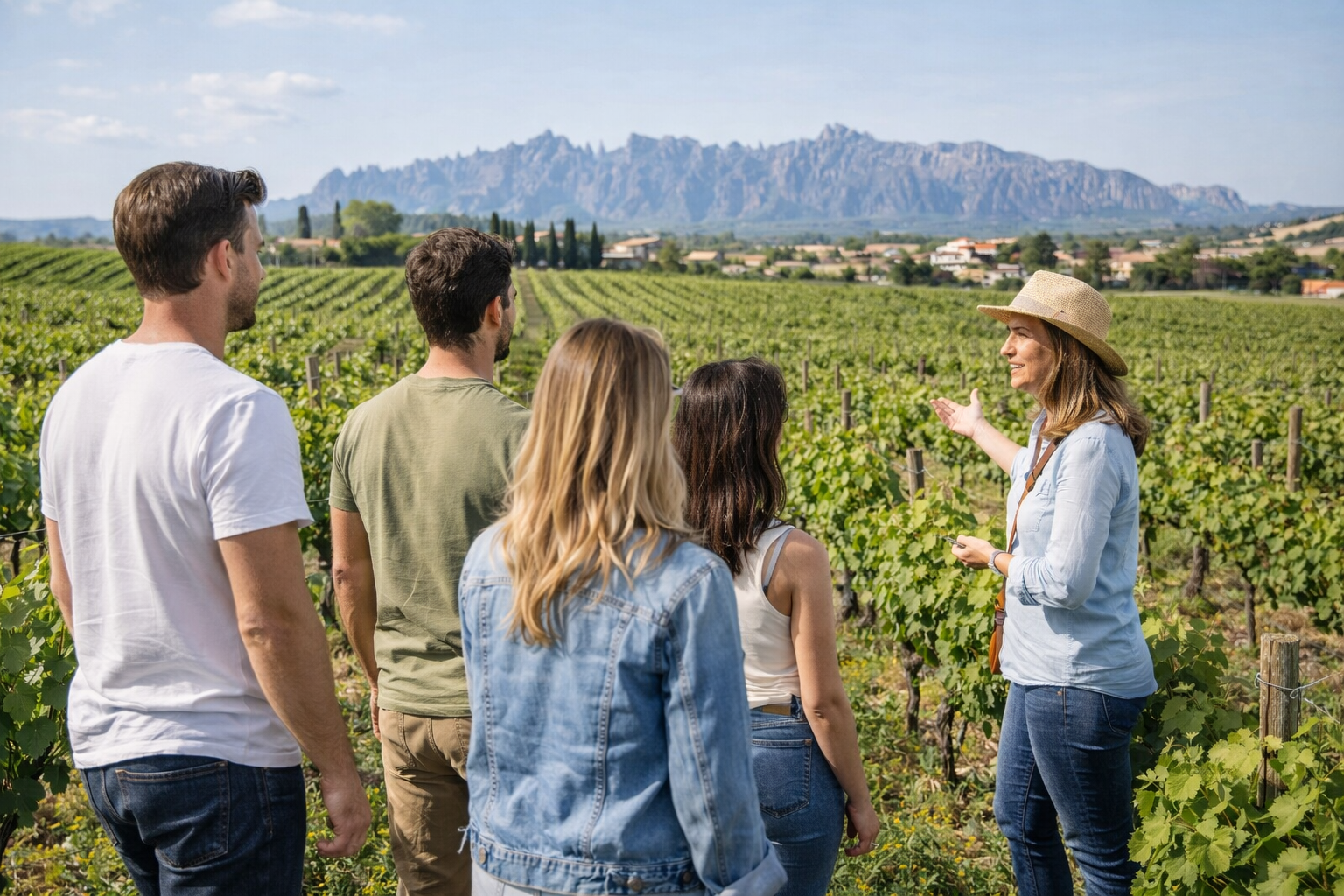
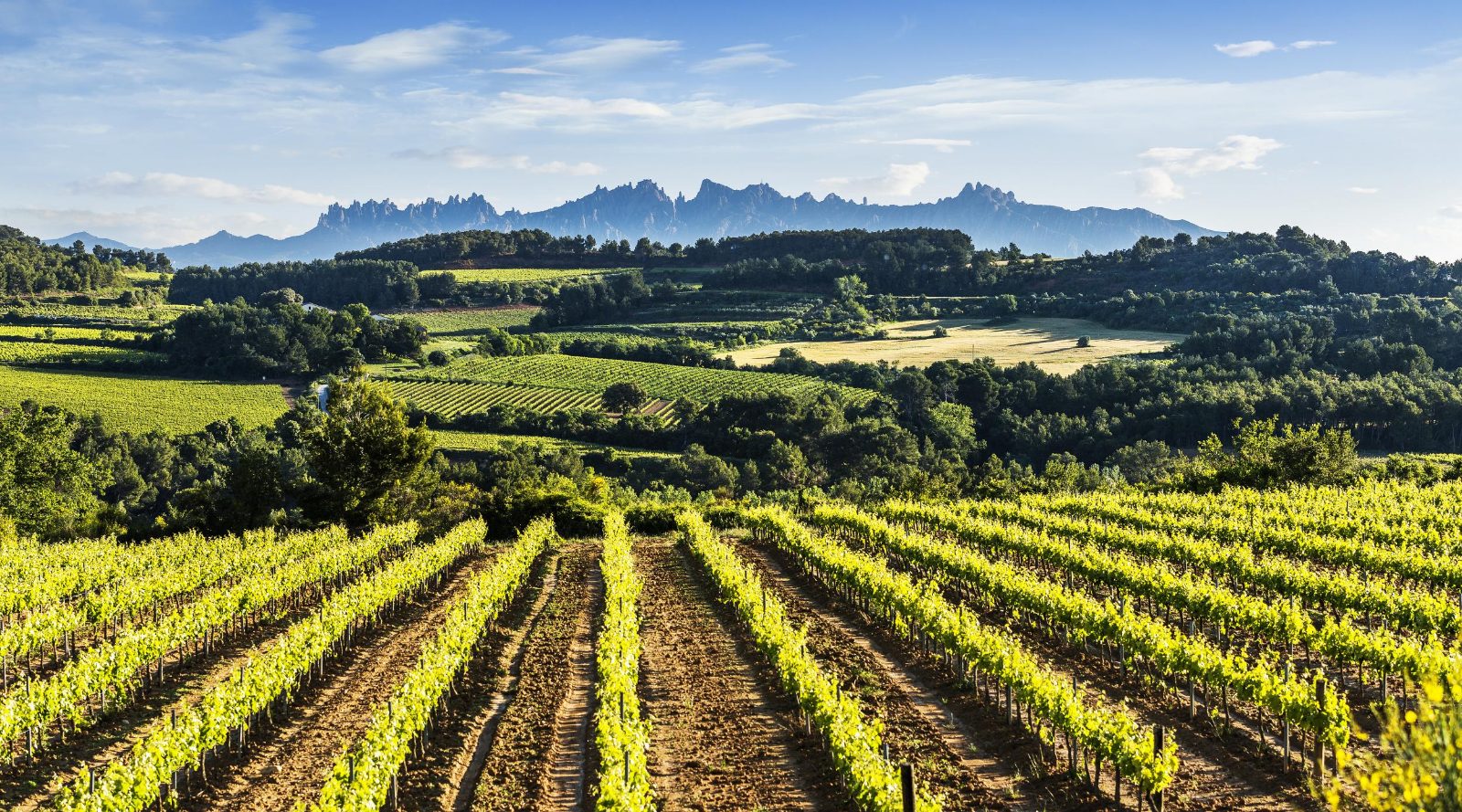
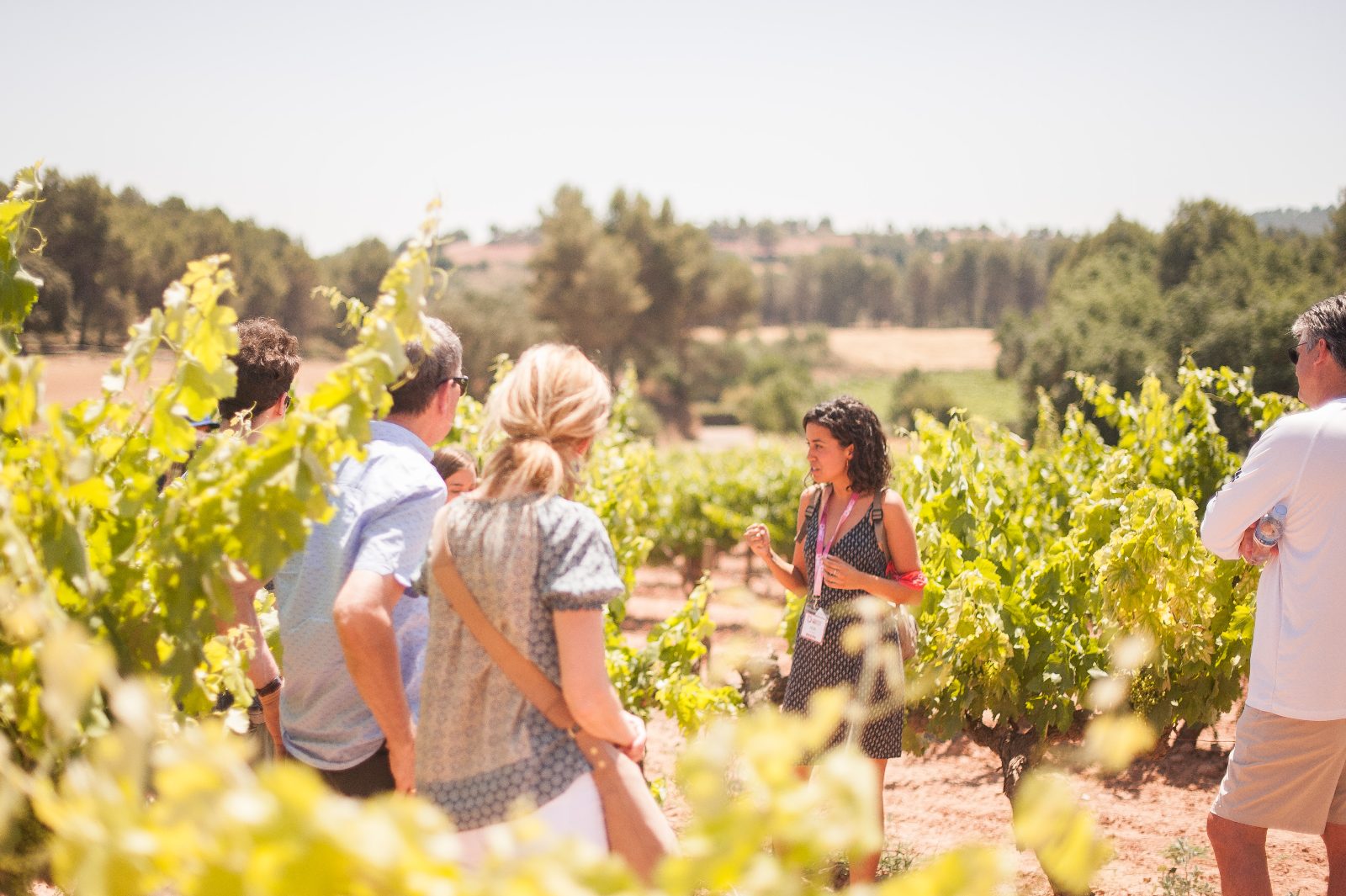
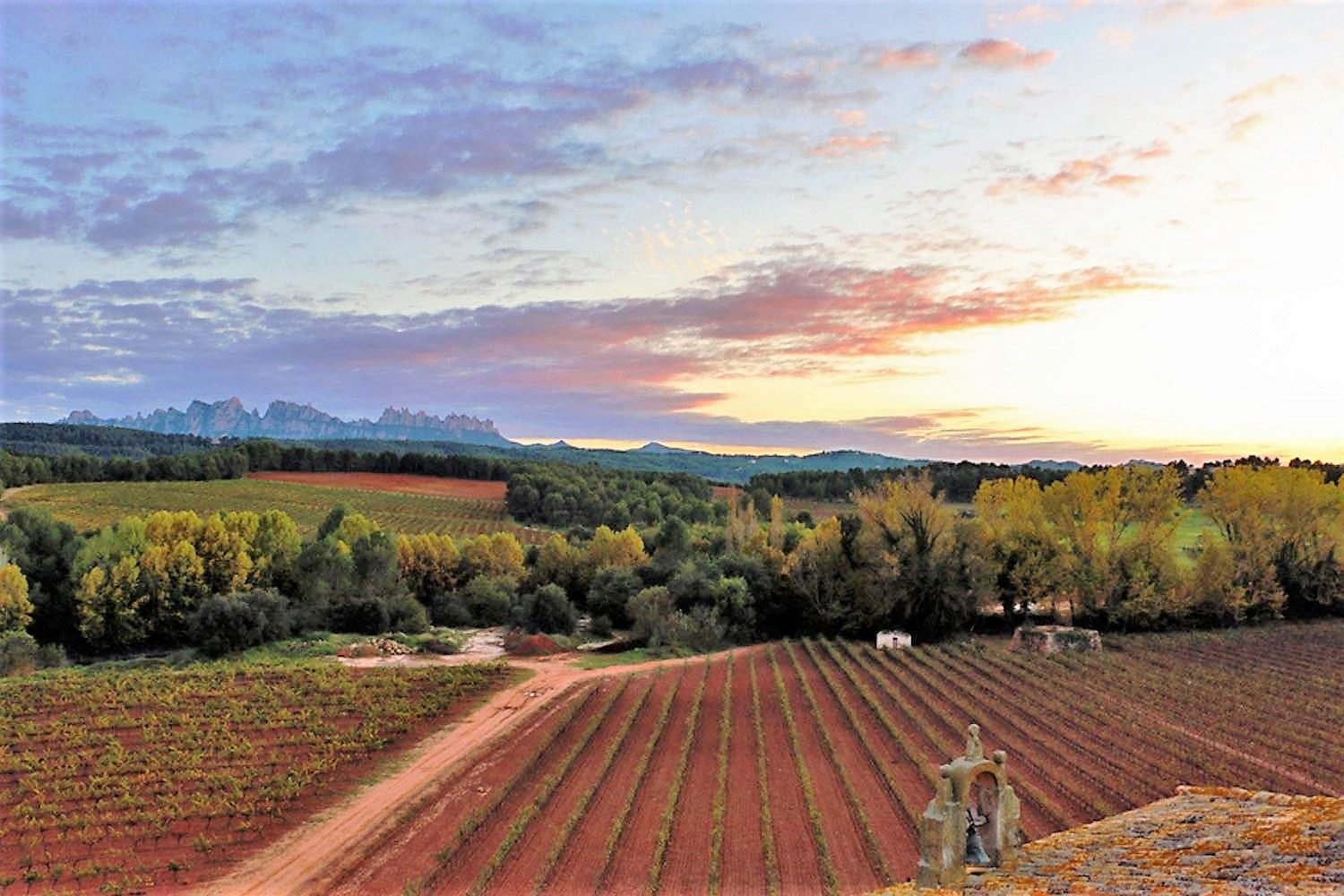
These rows of vines provide a classic vantage point to photograph the rolling landscape during a montserrat wine tasting tour. Position your camera low to the ground to lead the eye toward the distant mountain silhouettes.
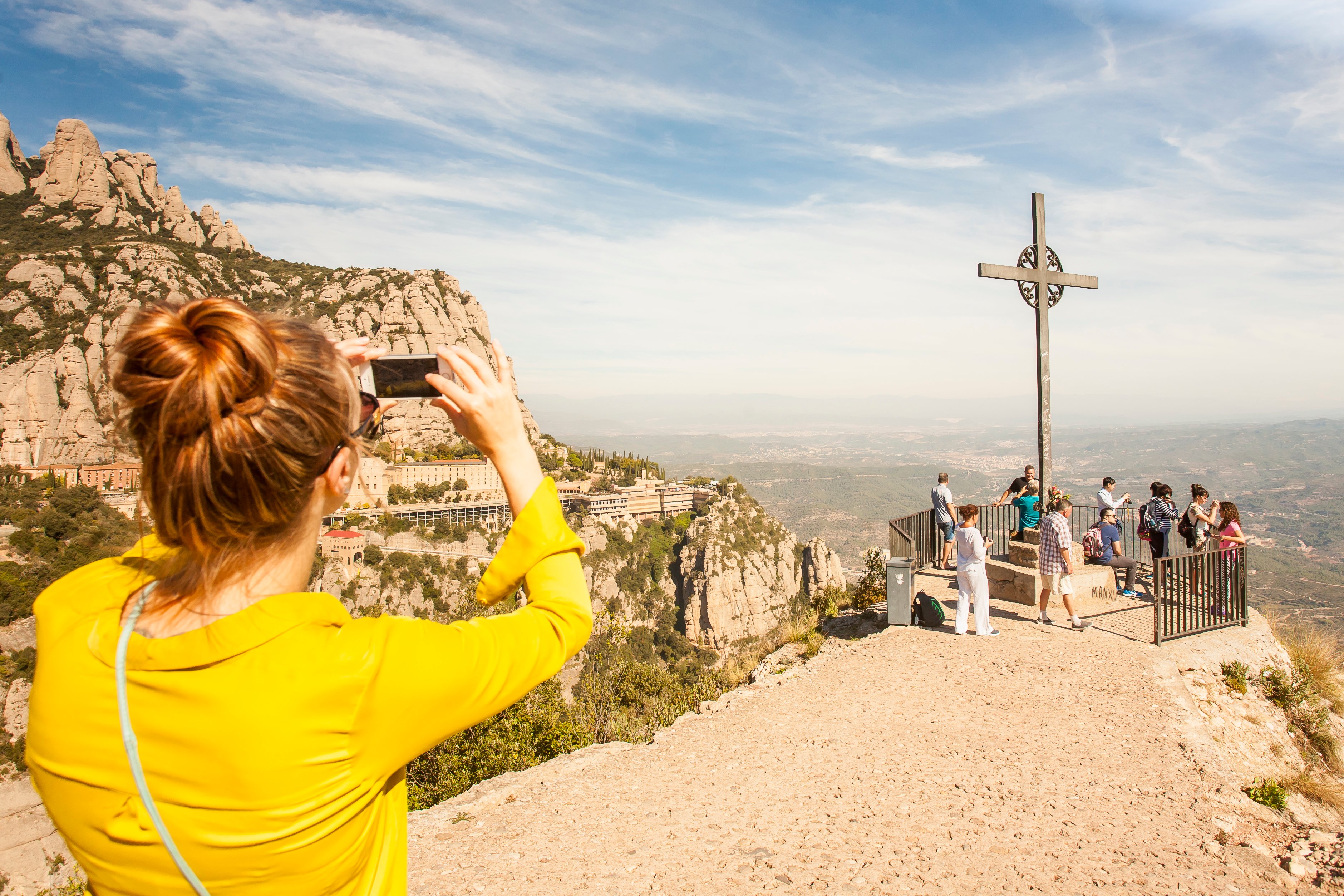
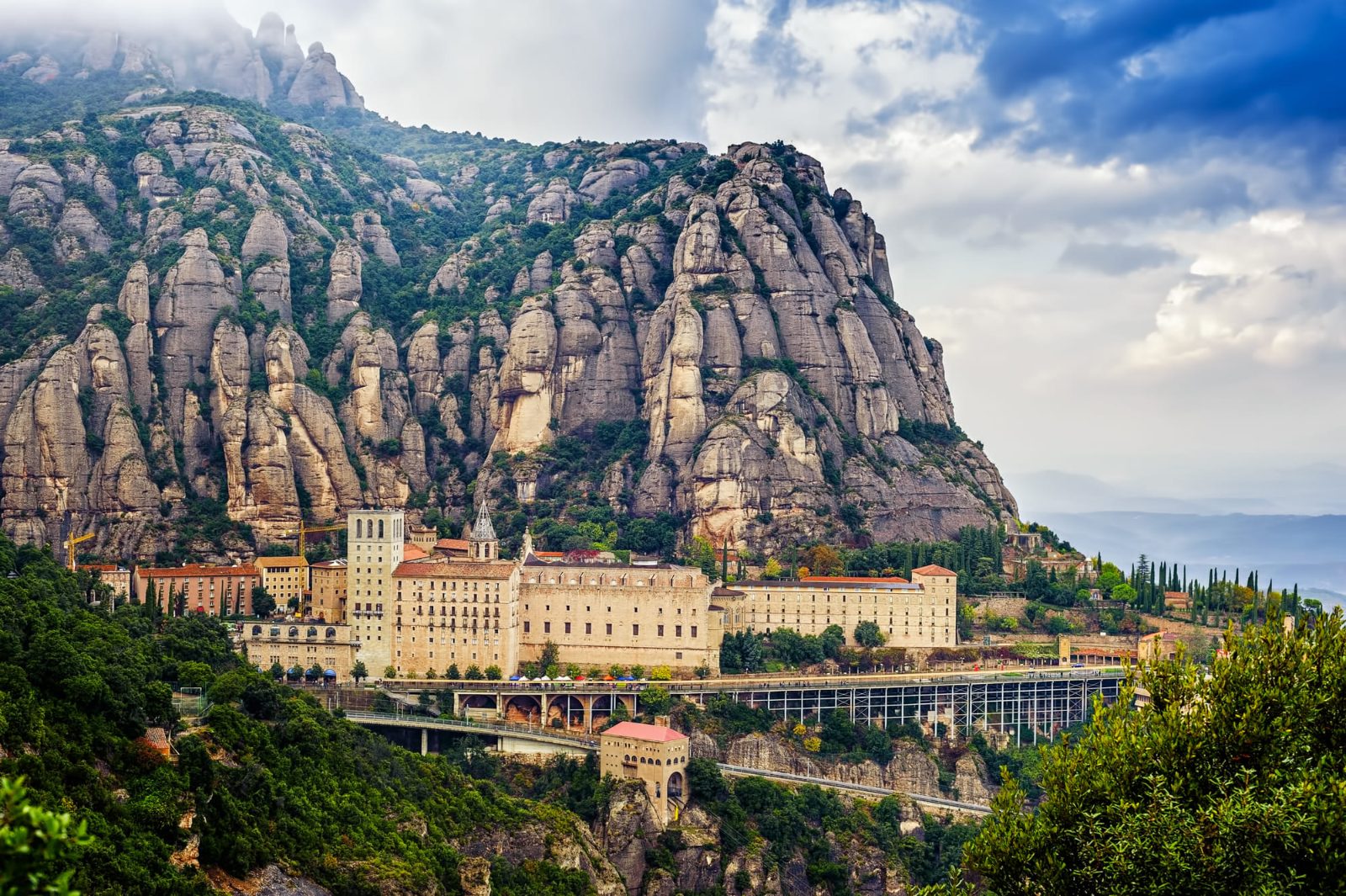
This spot offers an expansive panoramic shot of the monastery complex nestled within the cliffs. Follow the trail from the funicular station to find this elevated perspective of the sanctuary.
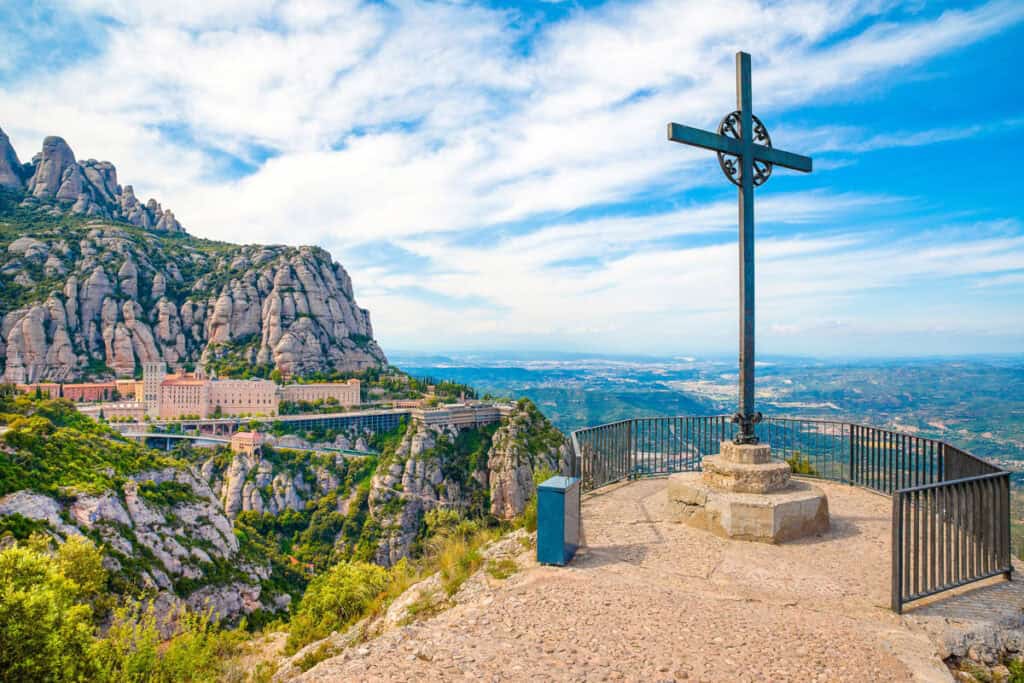
Located along the accessible paths, this lookout provides a clear sightline of the rugged peaks and the valley below. It is an ideal spot to document the scale of the sanctuary before departing for your montserrat wine tasting tour tours.
Planning a montserrat wine tasting tour with children requires balancing adult-focused vineyard visits with the mountain sanctuary's expansive outdoor space. While the abbey grounds are accessible, these excursions often involve significant travel time, so selecting a family-oriented montserrat wine tasting tour tour operator is essential.
The mountain terrain is steep; use a lightweight, foldable stroller or a carrier for the abbey area to secure montserrat wine tasting tour tickets for flexible movement.
Baby-change tables are available at the main visitor center, though winery stops vary, so verify specific amenities before booking your montserrat wine tasting tour tours.
This experience is better suited for older children who can handle scenic drives and quiet vineyard environments; infants may find the transit duration challenging.
Arrive early between 07:00–09:30 to avoid crowds, allowing a relaxed pace for both the religious sanctuary exploration and the regional viticulture experience.
Pack snacks for the commute, as mountain dining options are limited and vineyard menus may not always accommodate younger palates.
Finding a quality meal near your montserrat wine tasting tour is straightforward, with several dining choices located directly within the monastery complex. Visitors often combine their abbey visit with local culinary traditions by selecting structured Catalan tapas experiences or casual cafe fare.
Located in the historic hotel, this venue offers traditional Catalan cuisine perfect for those seeking a formal meal after their montserrat wine tasting tour tours.
Everything you need to know for your journey
The abbey is open daily from 07:00–20:00.
Basic access to the Basilica of Santa Maria de Montserrat is 8 EUR per person.
Arrive between 07:00–09:30 to avoid peak crowds and ensure a relaxed start to your montserrat wine tasting tour.
Large bags are discouraged at the Basilica; please check your tour operator's policy regarding storage.
Yes, the mountain environment and winery visits are often enjoyed by families on a montserrat wine tasting tour.
Photography policies vary inside the Basilica, so please respect all signs while visiting the Black Madonna.
Most visitors take the FGC R5 train from Barcelona and connect via rack railway or cable car for their montserrat wine tasting tour.
Yes, there are several cafeterias and restaurants located within the Montserrat monastery complex.
Check your specific booking platform, as most provide refunds if cancelled within the window specified by your montserrat wine tasting tour provider.
Join thousands of happy travelers who have discovered this incredible experience
Book Your Experience Now